Intellectual Property • 5 min read
Master Rights and Mixing Options
Understanding who owns the final recording and how the post-production process is managed is essential for any artist looking to professionalize their career in today's music industry.
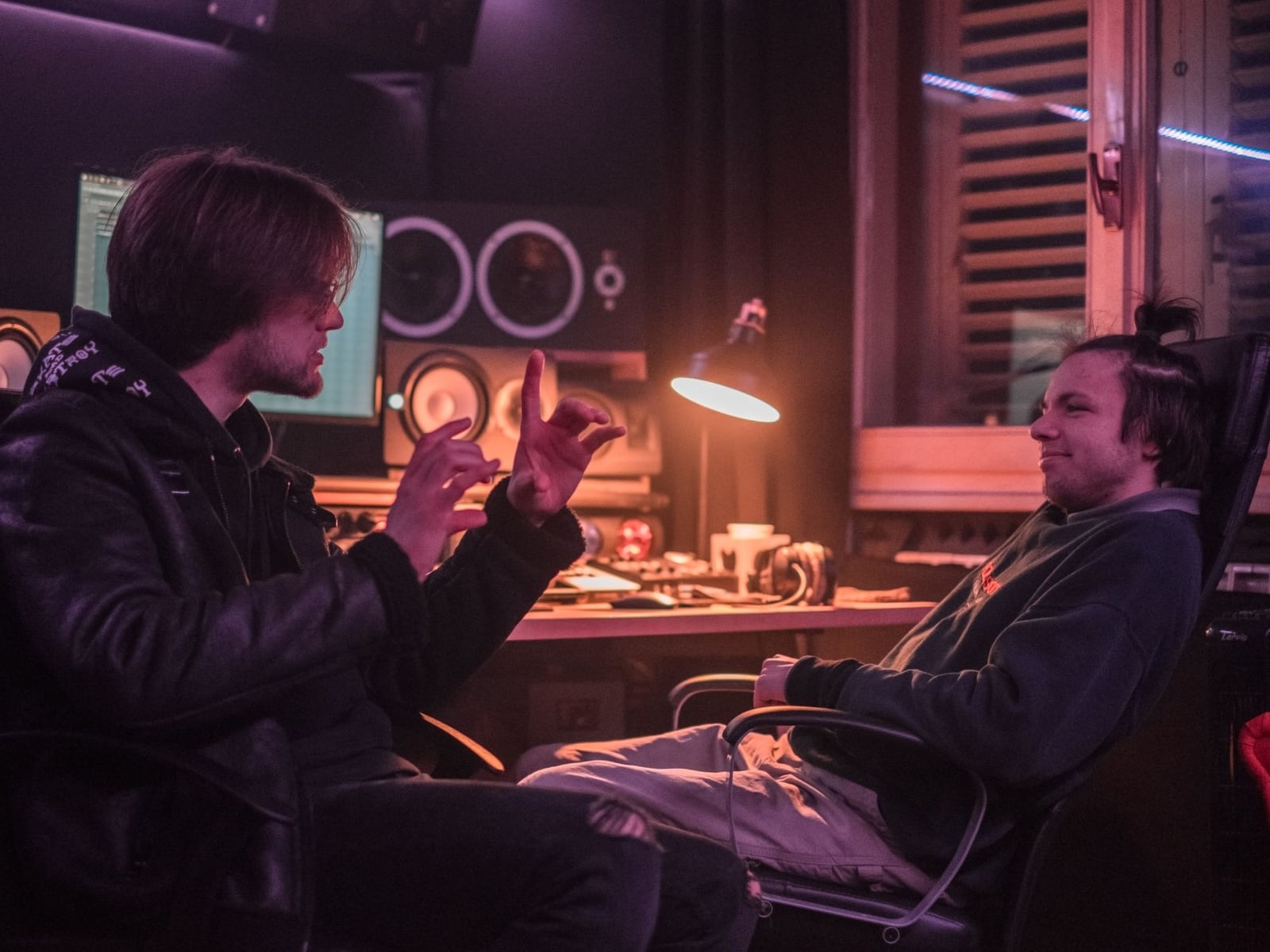
In the musical ecosystem of Valencia, where the independent scene is growing rapidly, legal confusion often arises between the composition (the work) and the phonogram (the recording). While the composition belongs to the author, the master is the sonic fixation of that work. At Sticketzyra, we operate under a framework of absolute transparency so that the artist maintains control over their creative assets.
The Difference Between Musical Work and Phonogram
To navigate the legal landscape in Spain, it is vital to distinguish these two concepts. The musical work includes the melody and the lyrics. The phonogram, or master, is the file resulting from the recording session. When you hire our mixing and mastering service, the goal is to optimize that phonogram so it has a competitive and professional sound.
Ownership of the master usually rests with whoever finances the recording. In our independent studio model, once the client has settled 100% of the production costs, the exploitation rights of the phonogram are transferred entirely to the client, unless a prior written agreement exists where the studio acts as a co-producer.
In-Studio Mixing vs. Online Mixing
The choice between attending sessions in person at our Ciutat Vella headquarters or managing the process remotely depends on the complexity of the project and the artist's vision.
In-person mixing allows for instant communication and real-time adjustments, which is ideal for projects with dense instrument layers. On the other hand, online mixing is highly efficient for artists who do not reside in Valencia, relying on a workflow of revisions via audio files and detailed comments. Regardless of the modality, we maintain the same technical quality standard and respect for intellectual property.
| Criterion | In-Studio Mixing | Online Mixing |
|---|---|---|
| Communication | Immediate and gestural | Asynchronous and written |
| Decision Making | In real-time | By revision rounds |
| Workflow | Scheduled sessions | Stem delivery via cloud |
| Final Control | Approval on monitors | Approval on various systems |
Rights Management in Spain and SGAE
It is important for musicians in Spain to understand that master ownership does not exempt them from managing copyrights. We recommend our clients register their works with the General Society of Authors and Publishers (SGAE) or similar entities to ensure the collection of royalties from public communication.
The master, once completed, is the asset uploaded to digital distributors (such as DistroKid or TuneCore). At this point, the master owner decides how the work is distributed and who receives the reproduction income (phonogram royalties), distinguishing them from composition royalties.
The Delivery Process and Stem Files
A common mistake is believing that the master is the only necessary file. For professional rights management and future licensing (for example, for synchronization in film or advertising), it is fundamental to possess the "stems".
Stems are groupings of tracks (all drums in one file, all vocals in another). At Sticketzyra, we deliver the final master in high resolution, but we recommend that artists request the stems to avoid being tied to a single mix format in the future. This ensures that the work can be remixed or adapted without needing to re-record the entire project.
Ownership and Final Delivery Checklist
Before closing a post-production project, ensure you have completed the following points to avoid legal conflicts:
- Confirmation of full invoice payment for the transfer of master rights.
- Receipt of the master file in WAV format (24-bit / 44.1kHz or higher).
- Backup of stems, correctly organized and named.
- Rights assignment document if session musicians were involved in the recording.
- Verification that the master meets loudness standards (LUFS) for digital platforms.
Final Considerations and Support
Managing musical rights can seem complex, but it is the only way to protect the work invested in the studio. If you are in the planning phase, we suggest reading our guide on how to prepare for recording to optimize time and costs from day one.
For any specific questions regarding the ownership of your recordings or to request a post-production quote tailored to your needs, you can contact us via our contact page or visit our studio in Valencia.
Note: The images used on this site are illustrative and do not necessarily represent the specific equipment of each session.